
RESPONSIBLE WATER USE
Our operations have a responsibility to use, treat and monitor water ethically and responsibly.
We do this in accordance with environmental consents, trade waste permits and local regulations.
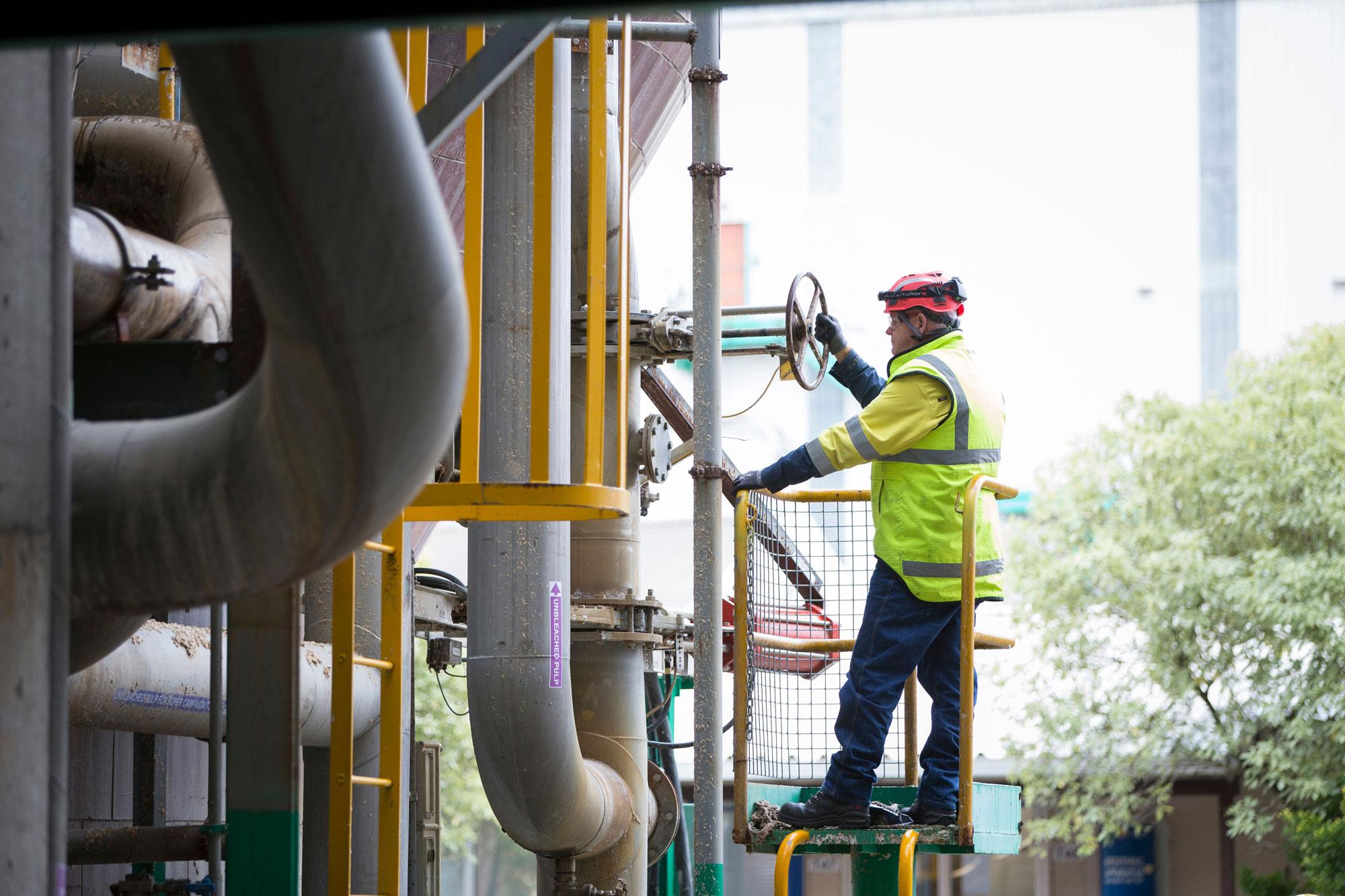
All major processes in our mills use and reuse water, from log debarking, chip washing and pulp washing, to screening and in our paper machines. Water is also used to generate steam for 'process heat', onsite power generation and process cooling.
Our pulp and paper mills are large users of fresh water, however they only consume a small amount of water drawn. The majority is treated and responsibly discharged.
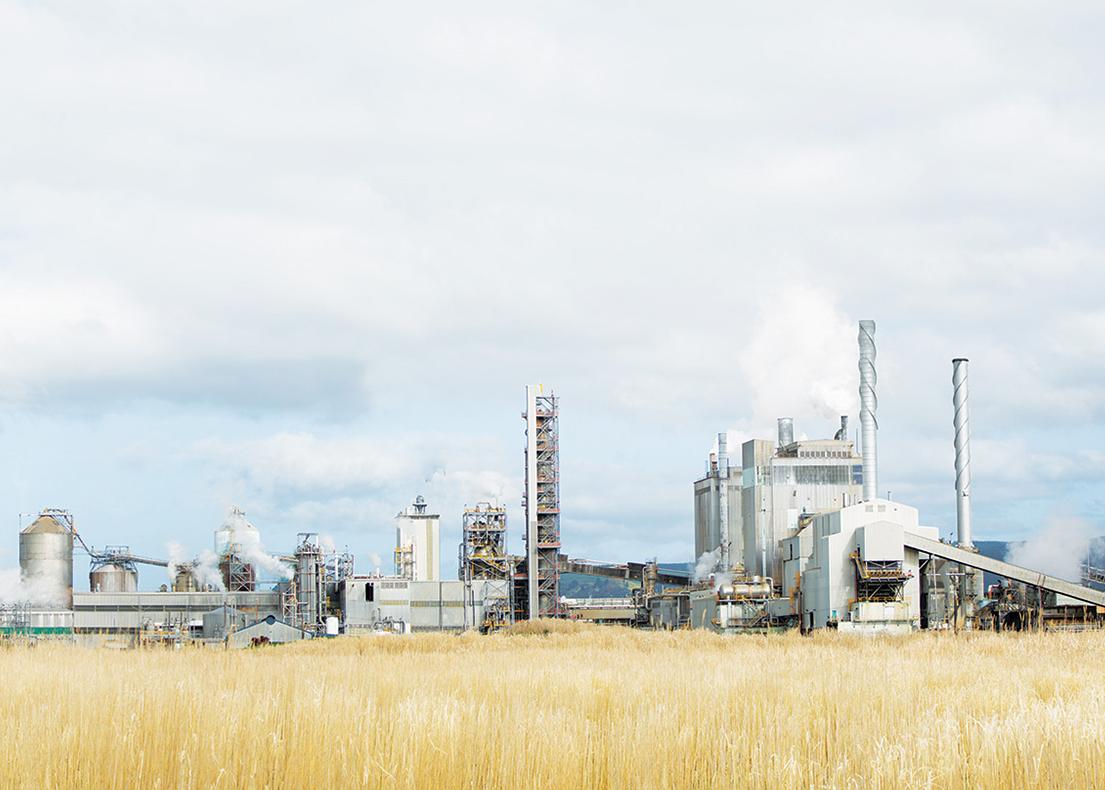
Kinleith and Tasman Mills operate primary and secondary water treatment systems before discharging. Treated process water discharge is governed by strict resource consent requirements by Waikato and Bay of Plenty Regional Councils. We provide regular monitoring reports to councils, tangata whenua and community consultation groups.
Our packaging plants use water to make corrugated board and packaging. We use water in several processes, including for making steam to heat corrugator rollers, making starch that bonds containerboard layers together and as a component in the printing process.
RESPONSIBLE WATER USE
Our operations have a responsibility to use, treat and monitor water ethically and responsibly.
We do this in accordance with environmental consents, trade waste permits and local regulations.
All major processes in our mills use and reuse water, from log debarking, chip washing and pulp washing, to screening and in our paper machines. Water is also used to generate steam for 'process heat', onsite power generation and process cooling.
Our pulp and paper mills are large users of fresh water, however they only consume a small amount of water drawn. The majority is treated and responsibly discharged.
Kinleith and Tasman Mills operate primary and secondary water treatment systems before discharging. Treated process water discharge is governed by strict resource consent requirements by Waikato and Bay of Plenty Regional Councils. We provide regular monitoring reports to councils, tangata whenua and community consultation groups.
Our packaging plants use water to make corrugated board and packaging. We use water in several processes, including for making steam to heat corrugator rollers, making starch that bonds containerboard layers together and as a component in the printing process.
CLIMATE CHANGE AND ENERGY
Powering our operations from sustainable energy sources.
We constantly strive to reduce emissions and increase energy efficiency throughout our operations. In 2019 we eliminated the use of coal and fuel oil through targeted investment in our energy systems.
Oji Fibre Solutions is a large user and producer of low carbon energy. More than three quarters of the energy used in our operations comes from renewable sources, including wood processing residues, kraft black liquor and geothermal steam. Furthermore, purchased or 'grid' electricity from within New Zealand is predominantly renewable.
How do our kraft mills produce energy?
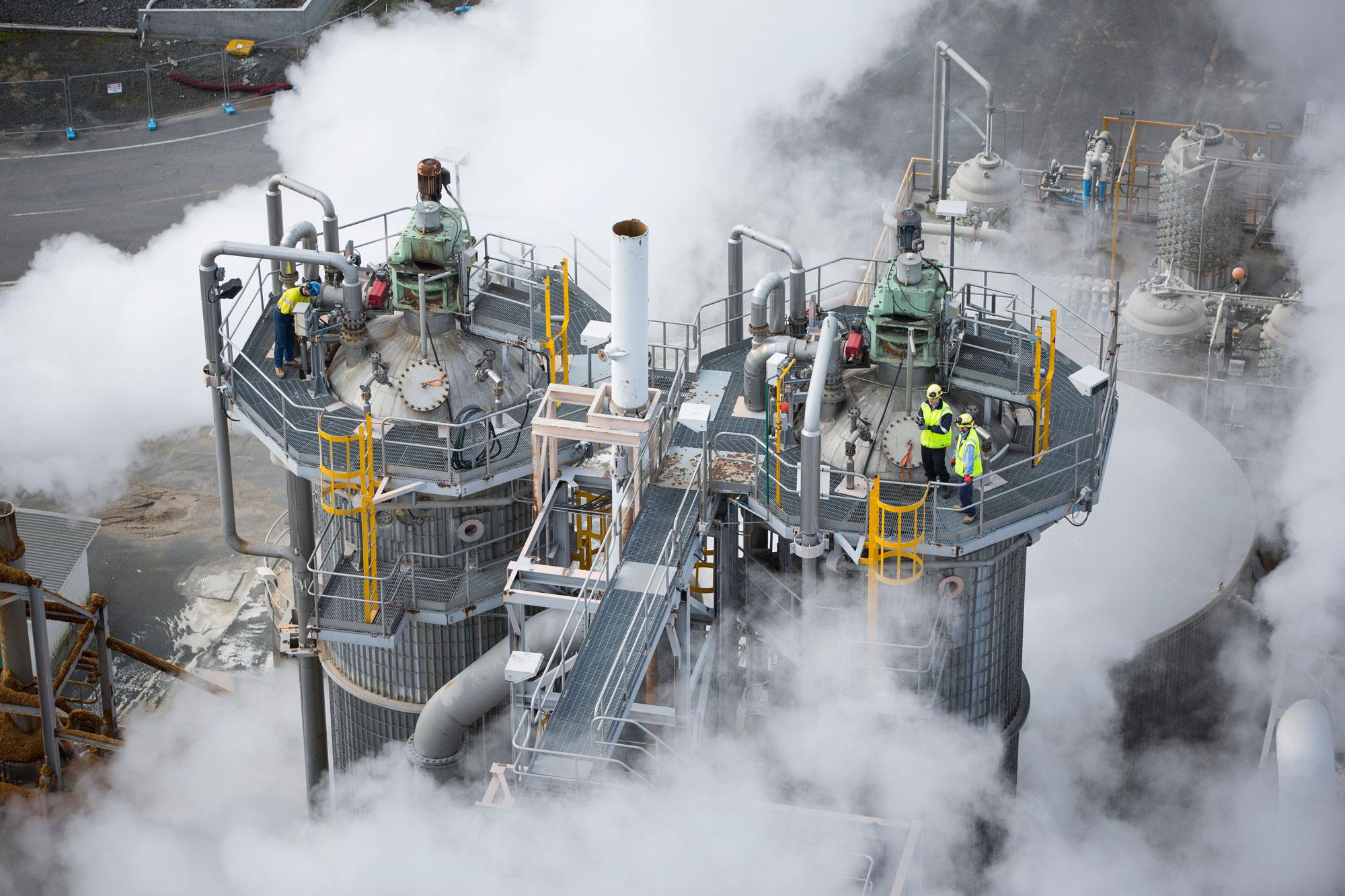
The kraft pulp process separates lignin, the material that binds the wood fibres, from the wood and produces black liquor as a byproduct. This is used as biofuel in the production process, supplemented by wood wastes such as bark. The Tasman Mill also draws geothermal steam from a local bore owned and operated by Ngati Tuwharetoa Geothermal Assets.
CLIMATE CHANGE AND ENERGY
Powering our operations from sustainable energy sources.
We constantly strive to reduce emissions and increase energy efficiency throughout our operations. In 2019 we eliminated the use of coal and fuel oil through targeted investment in our energy systems.
Oji Fibre Solutions is a large user and producer of low carbon energy. More than three quarters of the energy used in our operations comes from renewable sources, including wood processing residues, kraft black liquor and geothermal steam. Furthermore, purchased or 'grid' electricity from within New Zealand is predominantly renewable.
How do our kraft mills produce energy?
The kraft pulp process separates lignin, the material that binds the wood fibres, from the wood and produces black liquor as a byproduct. This is used as biofuel in the production process, supplemented by wood wastes such as bark. The Tasman Mill also draws geothermal steam from a local bore owned and operated by Ngati Tuwharetoa Geothermal Assets.
OUR PRODUCTS & SERVICES


